
- English
- Español
- Português
- русский
- Français
- 日本語
- Deutsch
- tiếng Việt
- Italiano
- Nederlands
- ภาษาไทย
- Polski
- 한국어
- Svenska
- magyar
- Malay
- বাংলা ভাষার
- Dansk
- Suomi
- हिन्दी
- Pilipino
- Türkçe
- Gaeilge
- العربية
- Indonesia
- Norsk
- تمل
- český
- ελληνικά
- український
- Javanese
- فارسی
- தமிழ்
- తెలుగు
- नेपाली
- Burmese
- български
- ລາວ
- Latine
- Қазақша
- Euskal
- Azərbaycan
- Slovenský jazyk
- Македонски
- Lietuvos
- Eesti Keel
- Română
- Slovenski
- मराठी
- Srpski језик
Китай Изостатичен графит Производители, доставчици, фабрика
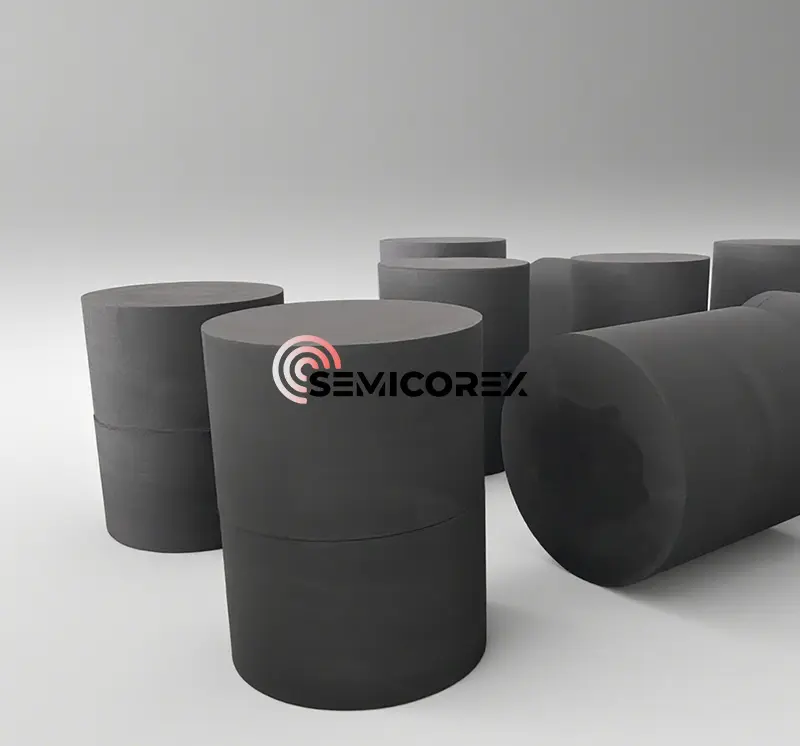
Carbon/graphite material molding essentially involves increasing the density of the powder mixture and ensuring close contact between the aggregate and binder to produce a green body with a desired size, morphology, and minimal machining allowance. The four main molding methods are extrusion, compression molding, vibration molding, and isostatic pressing. Common carbon/graphite materials on the market (for example, charcoal used for household fires) are mostly formed using hot extrusion and compression molding (cold or hot). Isostatic pressing offers superior molding performance.
The principle of isostatic pressing is based on Pascal's law: pressure applied to a medium (liquid or gas) in a sealed container is uniformly distributed in all directions, with the pressure on the surface being proportional to the surface area. Isostatic pressing involves placing a sample, enclosed in a sealed container, within a high-pressure cylinder. Leveraging the incompressible nature of the liquid medium and its ability to uniformly transmit pressure, the sample is uniformly pressed from all directions. When the fluid is injected into the cylinder, the pressure is evenly transmitted in all directions according to the principles of fluid mechanics. The sample in the cylinder is then subjected to uniform pressure in all directions.
Due to the isostatic pressing method, isostatically pressed graphite exhibits excellent isotropy, with properties independent of shape, size, or sampling direction. The material possesses a dense microstructure, high mechanical strength, high surface hardness, and oxidation resistance. Strong performance and high-temperature resistance; the material has excellent thermal shock resistance and is less susceptible to cracking under rapid cooling and heating conditions.
1. Isotropy
Different molding methods result in different properties in different directions. This is primarily reflected in resistivity, thermal conductivity, mechanical properties, and thermal expansion coefficient. The general measurement method is to sample the product perpendicular to and horizontally from the pressure surface, measure the properties separately, and then divide the smallest value by the largest value to obtain the isotropy ratio.
Traditional carbon/graphite products exhibit significant anisotropy, i.e., the properties of the product are different in the directions perpendicular to and horizontal to the pressure surface. The corresponding difference in performance is generally greater than 1:1.1, hence the term anisotropy. In many cases, this difference is fully exploited, and the greater the difference, the better. Examples include graphite electrodes for steelmaking and brushes for motors. Many applications, such as EDM and single-crystal silicon thermal field applications, increasingly require carbon/graphite products to exhibit isotropy (with an orientation ratio within the 1:1.05 range).
2. Large Dimensions
The market is increasingly demanding larger product sizes. For example, single-crystal silicon products have grown from 6- and 8-inch sizes to 12-inch sizes. The size of graphite materials used in thermal fields is also increasing. This is also increasing. Similar trends are seen in other related industries. Graphite for EDM, continuous casting, and nuclear reactors also requires large-scale products. This is difficult to achieve using molding and extrusion methods. The primary problem with large-scale product production is calcination cracking, and the larger the product, the higher the chance of calcination cracking.
3. Fine Structure
As a structural material, it requires high physical and chemical properties. On the one hand, the finer the particle size of the carbon particles that make up the carbon/graphite material, the denser its texture and the higher its mechanical strength.
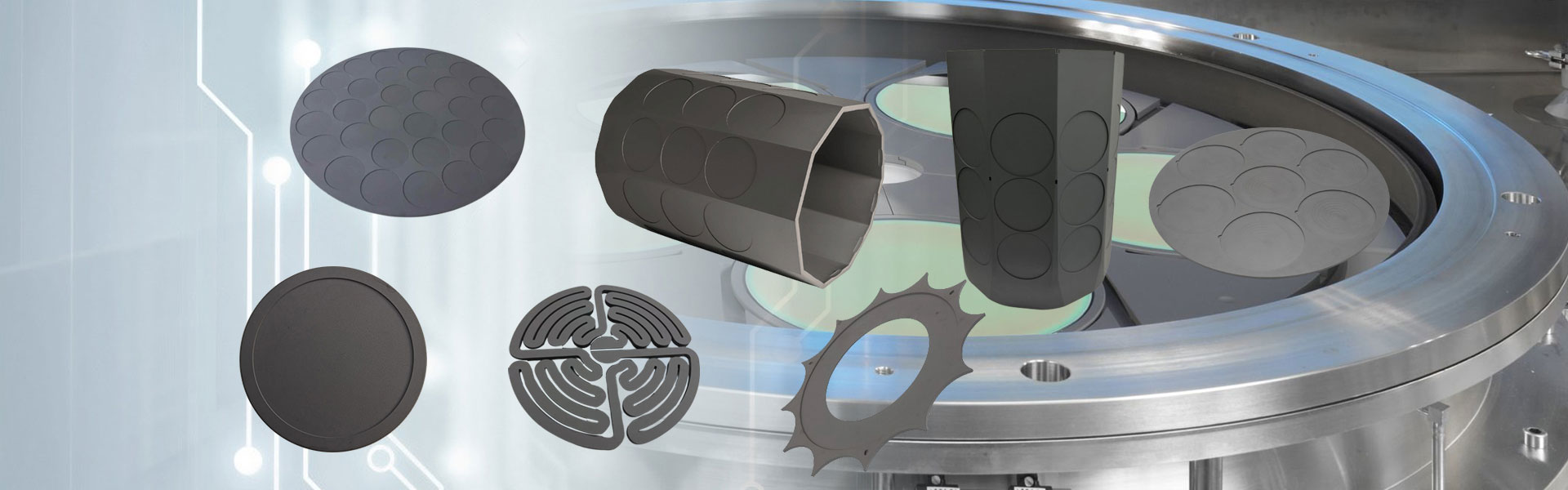
Isostatically pressed graphite is widely used in semiconductor manufacturing processes. It is used in graphite components for the hot zone of single crystal growth furnaces, such as crucibles, heaters, flow guides, and insulation covers; and in graphite components used in epitaxial processes.
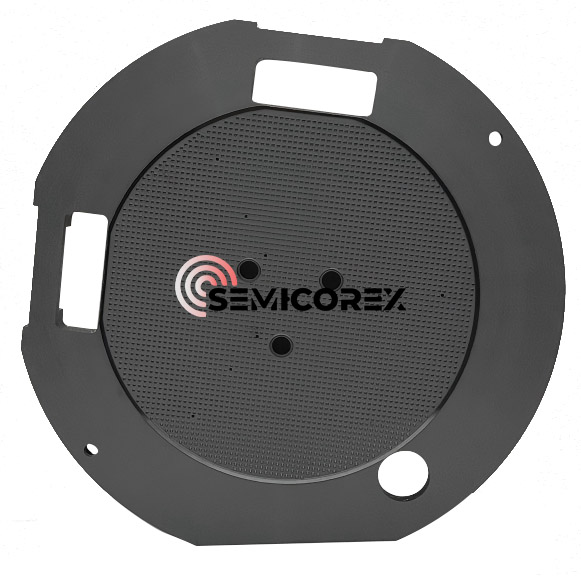
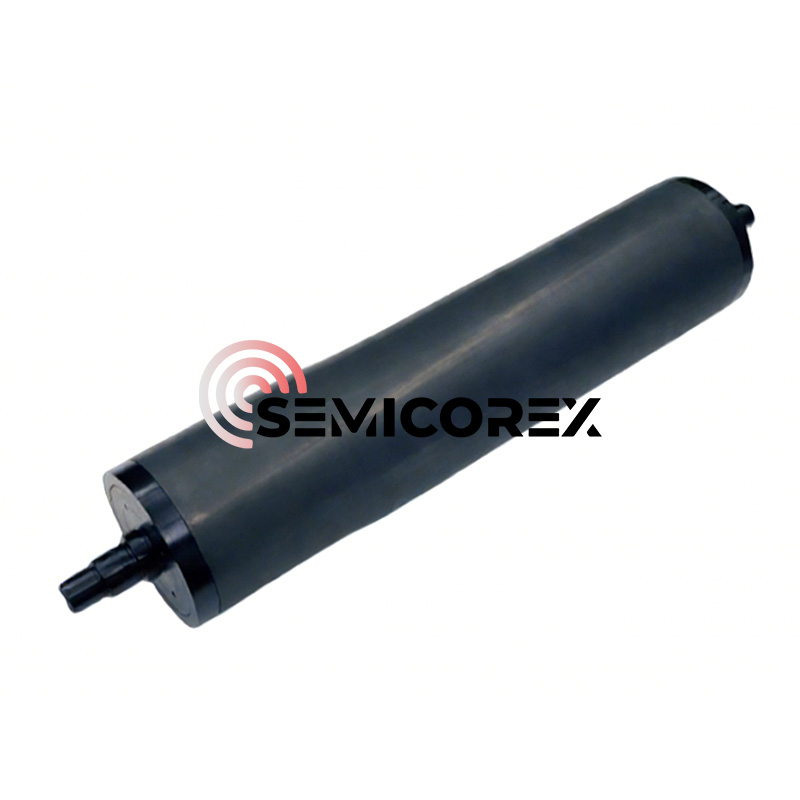
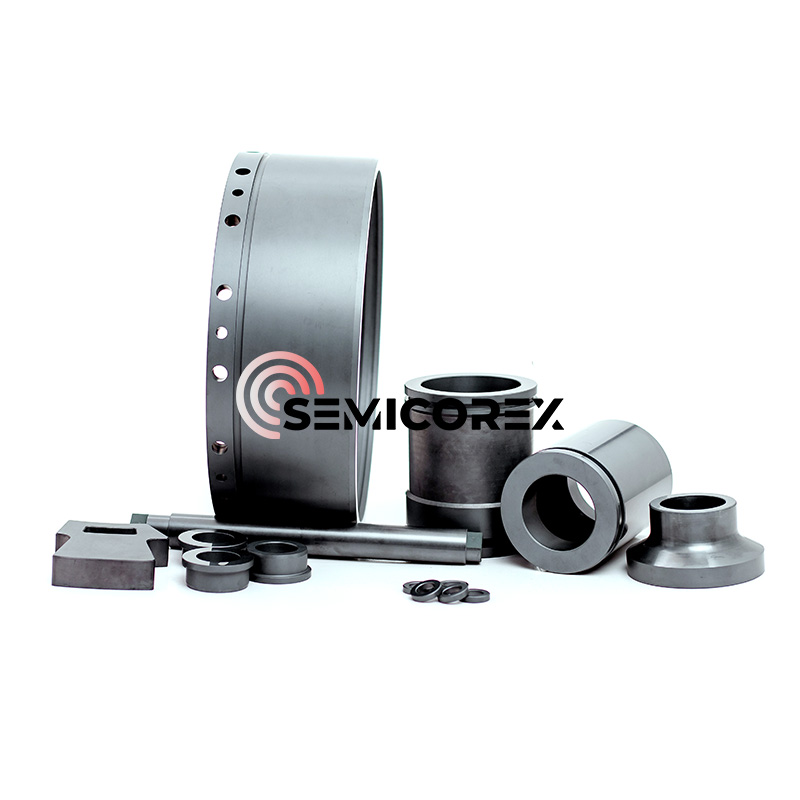
- View as
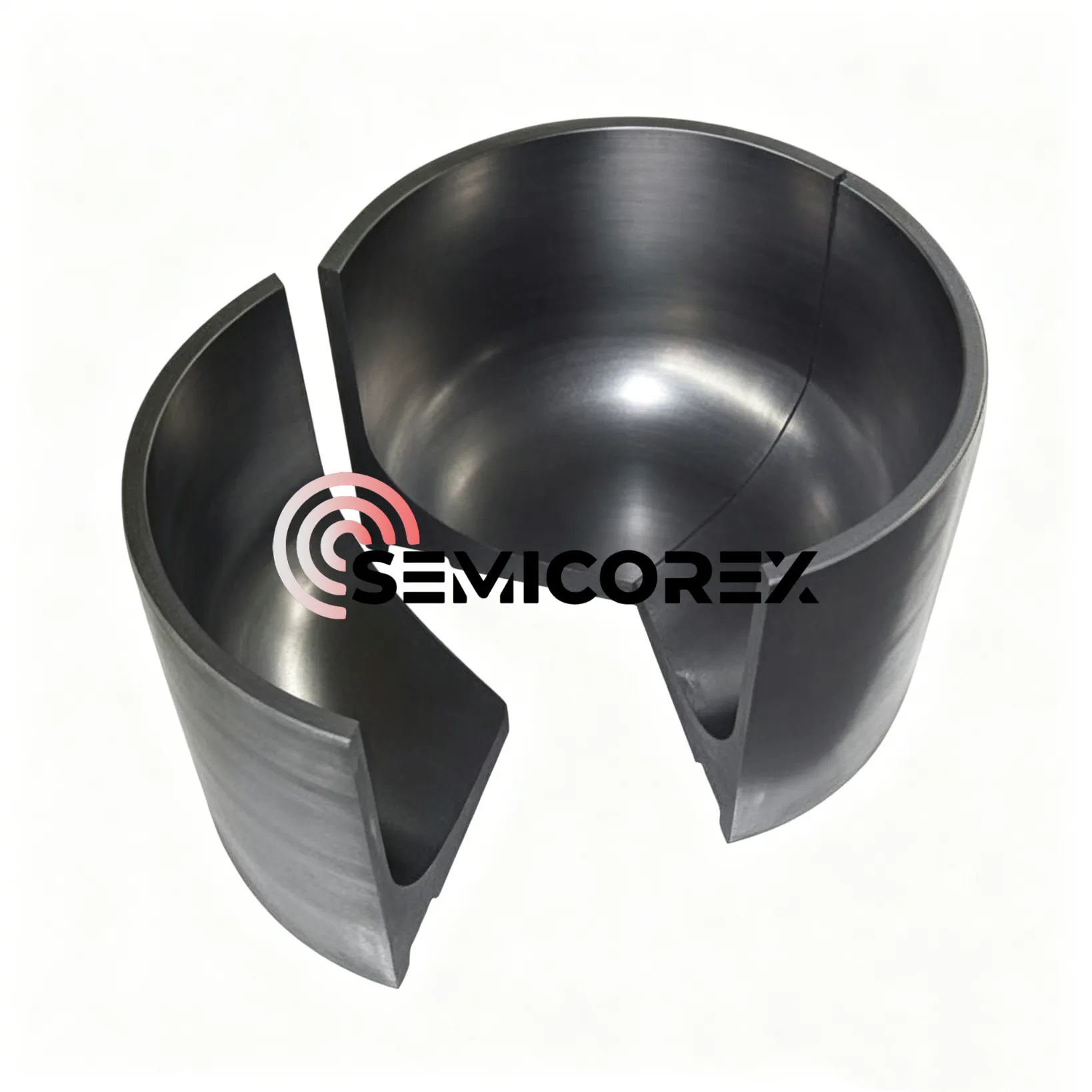
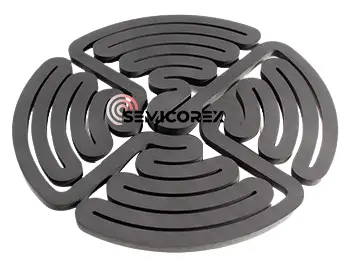
Графитни тигли от три части
Графитните тигли от три части Semicorex са високопроизводителни контейнери от разделен графит, специално проектирани за процеси на растеж на монокристален силиций. Идеален за термична обработка на полупроводници от висок клас, графитеният тигел от три части Semicorex може надеждно да поддържа кварцовия тигел и неговите вътрешни материали, за да постигне контролиран растеж на монокристални структури.
Прочетете ощеИзпратете запитване
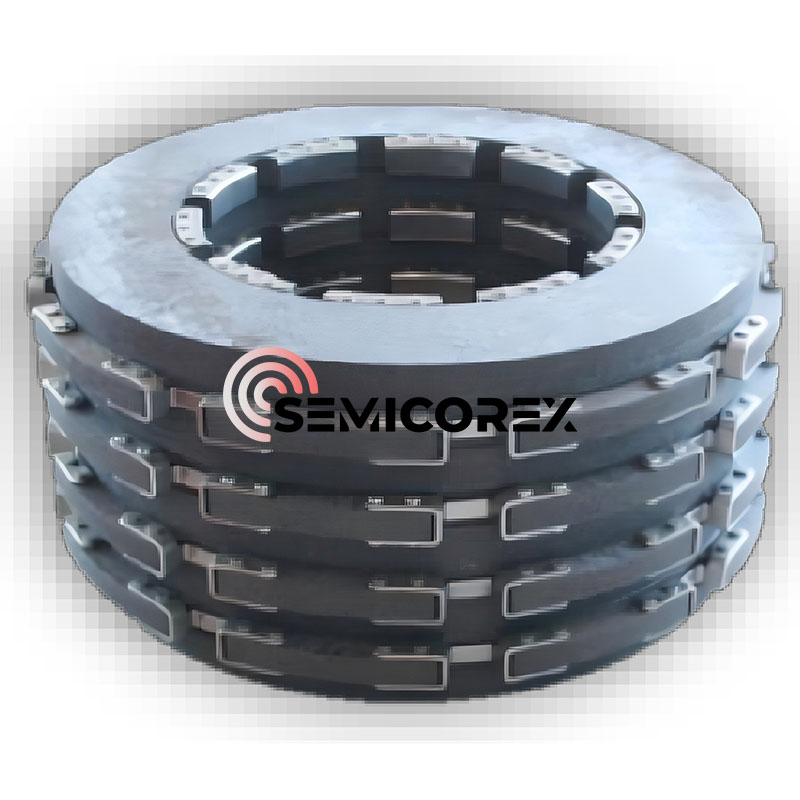
Графитни нагреватели тип ръкав
Графитни нагреватели тип ръкав Semicorex, високоефективни нагревателни елементи, широко използвани в пещи за растеж на монокристали. Графитните нагреватели тип ръкав Semicorex са ключовите нагревателни компоненти, широко използвани в монокристалните пещи, проектирани специално за растежа на висококачествен монокристален силиций. Изборът на Semicorex означава избор на идеалните решения за топлинна обработка.
Прочетете ощеИзпратете запитване
Графитен тигел с три венчелистчета
Графитните тигли с три венчелистчета Semicorex с висока чистота се отличават с иновативна облекчаваща напрежението архитектура, предназначена да увеличи максимално добивите на растеж на кристали в екстремни полупроводникови термични среди. Semicorex доставя решения за полупроводникови материали от световна класа по целия свят, давайки възможност на напредналите индустрии с прецизно проектирани графитни и керамични компоненти, подкрепени от надеждна глобална логистика.*
Прочетете ощеИзпратете запитване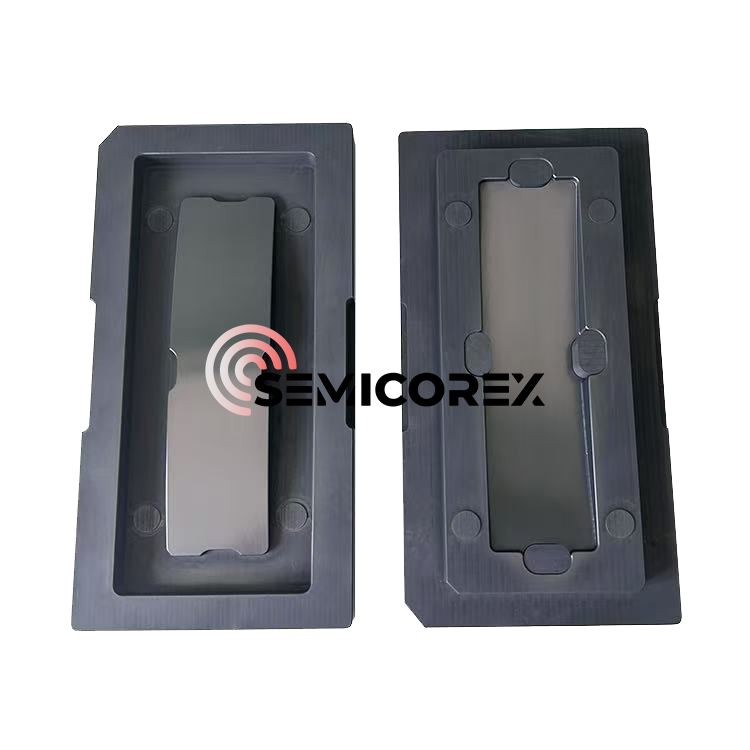
Горещо огъната стъклена графитна форма
Semicorex Hot-bent Glass Graphite Mold е прецизно проектиран от финозърнест графит с висока чистота, за да осигури изключителна устойчивост на висока температура, устойчивост на термичен шок, самосмазване и химическа издръжливост, осигурявайки висококачествено 3D извито стъкло с минимални дефекти. Semicorex е избран заради дълбокия си експертен опит, усъвършенстван дизайн на матрицата и прецизен контрол на процеса, като ефективно увеличава добива и отговаря на най-взискателните производствени изисквания.*
Прочетете ощеИзпратете запитване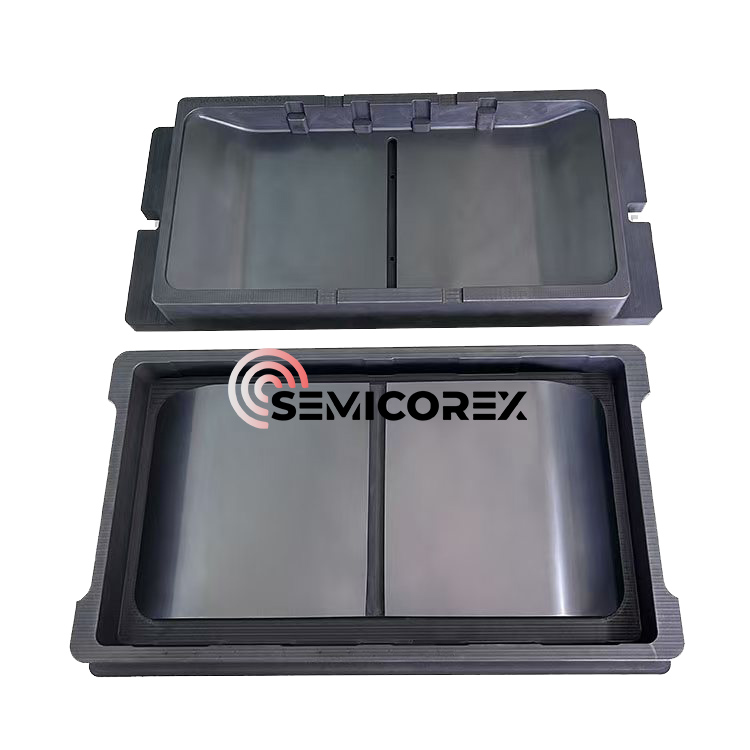
3D горещо огъваща се стъклена графитна форма
Semicorex 3D Hot Bending Glass Graphite Mold е изостатична графитна форма от висок клас, предназначена за горещо огъване на 3D извито стъкло, предлагаща отлична термична стабилност, топлопроводимост, устойчивост на износване и корозия, подобряваща качеството на стъклената повърхност, удължавайки живота на матрицата и значително повишавайки производствената ефективност и добива. Semicorex е избран заради надеждното си качество, постоянни доставки и опит в предоставянето на модерни графитни решения по целия свят.*
Прочетете ощеИзпратете запитване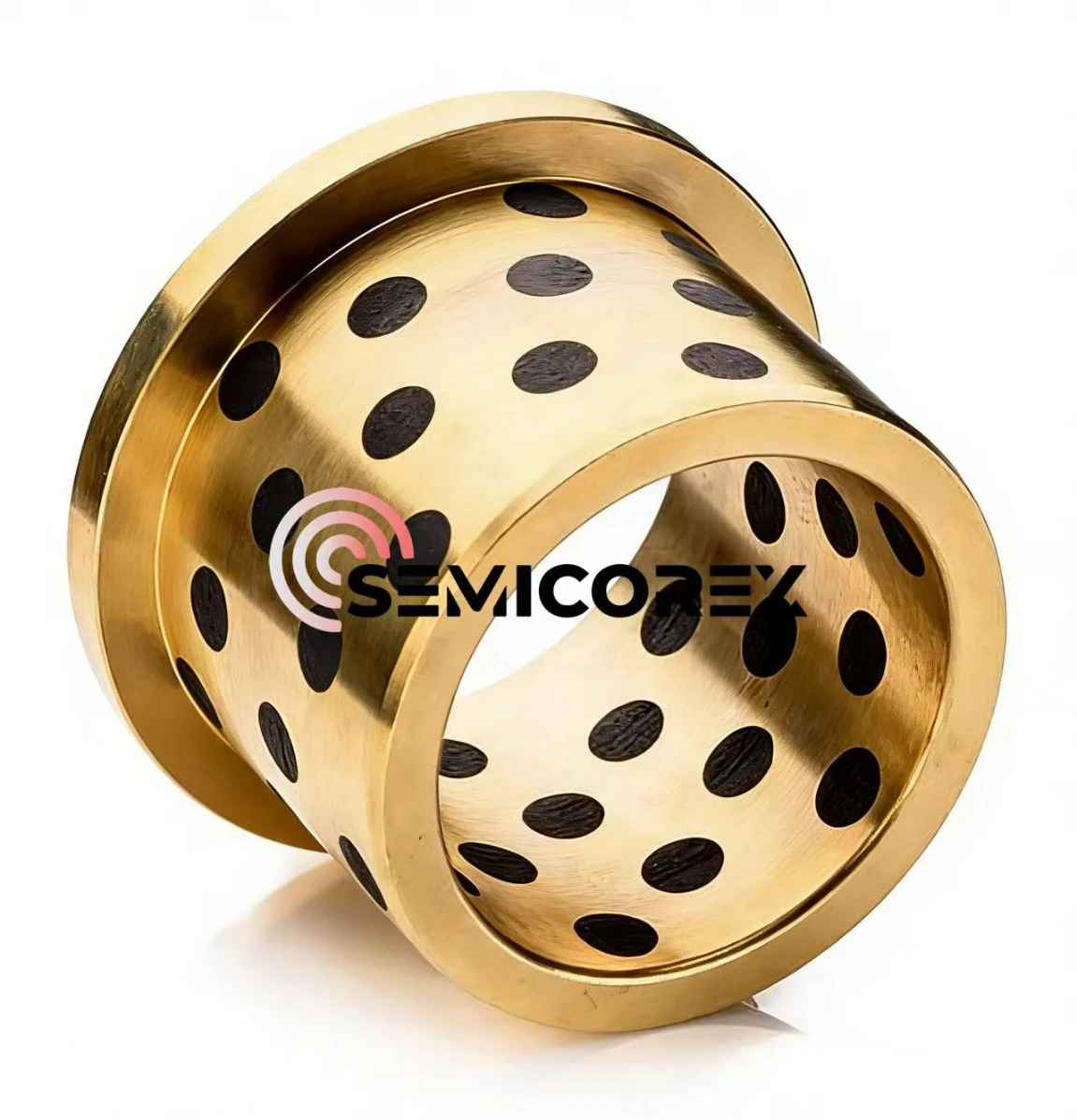
Графитни самосмазващи се втулки
Графитните самосмазващи се втулки Semicorex, наричани още безмаслени втулки, са компоненти на плъзгащи лагери с висока производителност, проектирани специално да работят без външно смазване или подаване на масло. С отлична производителност, графитните самосмазващи се втулки Semicorex са идеалните решения за оборудване, работещо в сложни среди, включително работа без масло, високи температури, високи натоварвания, ниски скорости, против замърсяване, устойчивост на корозия и устойчивост на радиация.
Прочетете ощеИзпратете запитване
Semicorex произвежда Изостатичен графит от много години и е един от професионалните производители и доставчици на Изостатичен графит в Китай. След като закупите нашите модерни и издръжливи продукти, които доставят насипни опаковки, ние гарантираме голямото количество в бърза доставка. През годините сме предоставяли на клиентите персонализирано обслужване. Клиентите са доволни от нашите продукти и отлично обслужване. Искрено се надяваме да станем Ваш надежден дългосрочен бизнес партньор! Добре дошли да купувате продукти от нашата фабрика.